


Abruptly stopping short-acting opioids (e.g., heroin, hydrocodone) generally causes more severe opioid withdrawal symptoms, with symptom onset occurring 12 hours after the last dose. In severe cases, alcohol withdrawal can lead to delirium tremors, which can cause seizures, among other significant symptoms. It is essential to seek professional help when decreasing or abruptly stopping alcohol consumption. When an individual who is addicted to drugs abruptly stops using them, they can experience withdrawal symptoms. Based on survey data from 2019, 13% of individuals aged 12 and older used illicit drugs. Risk factors for substance withdrawal include having a substance use disorder, having a mental health condition, or previously experiencing substance withdrawal.

We can help you along the path to a healthy, successful, and stable life.
Both approaches aim for symptom relief but differ in duration and overall treatment goals. Alcohol withdrawal medications, including benzodiazepines and acamprosate, lead to drowsiness, dry mouth, fatigue, and low blood pressure. Drowsiness and fatigue occur as these medications depress the central nervous system to stabilize withdrawal symptoms.
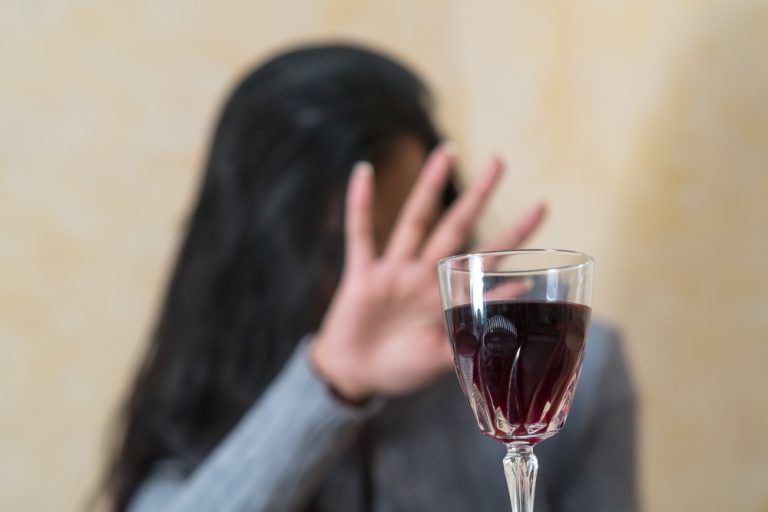
What Are the Types of Drug Withdrawal Medications?
Additionally, symptoms include the side effects from Stage I, but they become more uncomfortable. If you start to experience these symptoms, it may be a good indicator medical intervention is necessary. The use of alcohol can change your molecular and cellular structures, especially those in your brain. It is these changes, or neuroadaptations, that influence dependence, withdrawal symptoms, and cravings. Sometimes called the “opioid epidemic,” addiction to opioid prescription pain medicines has reached an alarming rate across the United States. Some people who’ve been using opioids over a long period of time may need physician-prescribed temporary or long-term drug substitution during treatment.
It may be done by family and friends in consultation with a health care provider or mental health professional such as a licensed alcohol and drug counselor, or directed by an intervention professional. It involves family and friends and sometimes co-workers, clergy or others who care about the person struggling with addiction. Help from your health care provider, family, friends, support groups or an organized treatment program can help you overcome your drug addiction and stay drug-free.
Nausea and dizziness result from the medications’ effects on the central nervous system and gastrointestinal tract, while constipation occurs due to slowed intestinal motility, an opioid-related typical impact. Sweating and headaches are linked to the body’s adjustment to the medication’s partial agonist or antagonist actions. Anticonvulsants such as carbamazepine and valproic acid play an important role in preventing seizures during withdrawal from alcohol and benzodiazepines. These medications stabilize neuronal activity by modulating sodium and calcium channels, reducing the risk of excessive excitatory firing in the brain. Antidepressants, such as selective serotonin reuptake inhibitors (SSRIs) like fluoxetine and sertraline, are prescribed to support individuals experiencing depressive symptoms during withdrawal.

A severe case alcohol detox side effects of alcohol withdrawal can lead to complications, some of which can be life-threatening. To prevent this, your doctor may suggest a treatment program where you stay overnight. That way, you can get 24-7 support for your mental health and physical symptoms.
Understanding How Much Alcohol Rehab Costs Without Insurance
Tapering schedules are highly individualized, spanning several weeks or months depending on the intensity and duration of prior benzodiazepine use. Close medical monitoring throughout the taper is important to adjust dosages safely and avoid destabilization. https://choiceoptical.com/sober-living/alcohol-and-migraine-drinks-to-avoid-remedies-and/ When properly managed, benzodiazepine withdrawal treatment significantly reduces health risks and helps individuals transition toward sustained recovery without developing new dependencies.
Alcohol withdrawal symptoms range from mild but annoying to severe and life-threatening. Abstaining from alcohol can be a difficult decision as it requires significant lifestyle changes. This process can be made even more difficult bysymptoms of withdrawaland alcohol cravings. Fortunately, there are several medications that can aid in alleviating alcohol cravings. Several of these medications are approved by the FDA and are available by prescription only. A few supplements are also available over-the-counter (OTC), described as agents thatcan help curb alcohol cravings.
- Everyone is different, but generally speaking, mild symptoms often start 6-12 hours after your last drink.
- PCSS-MAUD created a Mini Video Series on the three FDA-approved medications for alcohol use disorder (MAUD).
- These medications are designed to counteract the effects of alcohol on the brain and body, helping to manage the discomfort and potentially dangerous symptoms that can occur during the withdrawal process.
- People use cannabis by smoking, eating or inhaling a vaporized form of the drug.
- Ultimately, the decision to use benzodiazepines in alcohol detox must balance their benefits in withdrawal symptom management against the potential for misuse and addiction.
Alcohol detoxification is a critical step in the journey to recovery for individuals with alcohol use disorders, but it is not without its risks and side effects. Medications used during detox, such as benzodiazepines, naltrexone, and others, are vital for managing withdrawal symptoms and preventing severe complications like seizures and delirium tremens. However, these medications also carry potential risks and side effects that need to be carefully heroin addiction monitored by healthcare professionals. These facilities provide medically supervised detox combined with FDA-approved medications tailored to reduce withdrawal symptoms and support recovery. Verifying insurance coverage and reviewing program details ensures the chosen facility meets individual needs. Alcohol addiction is a chronic condition that deeply impacts the mind and body.
- Over weeks or months, you’ll have smaller or fewer drinks until you reach a point where you don’t have any at all.
- These medications, when used in conjunction with therapy and support, play an essential role in helping individuals successfully navigate the challenges of alcohol detoxification.
- It is important to note that drug detox has been found effective when used as the first step in your recovery journey, and by itself has largely been shown not to work in the long-term.
- These medications for alcohol addiction are vital in managing the recovery process, but it’s crucial to be aware of potential side effects.
- One common type of alcohol detox medication is benzodiazepines, which act on the central nervous system to reduce anxiety, seizures, and insomnia.
- Drug withdrawal is a set of physical and psychological symptoms that occur when a person who has developed dependence on a substance suddenly reduces or stops its use.
- Inpatient rehab offers personalized care, structured routines, and therapeutic support in a trusted rehab center to help patients achieve lasting recovery.
- At some point, it may be helpful to include your partner or family, too.
- Detoxing from alcohol at home includes consulting with a healthcare provider, setting up a supportive environment, managing withdrawal symptoms, and reaching out for professional assistance if necessary.
Medical professionals can help assess your unique situation and recommend the most suitable treatment options. Finding the right alcohol rehab clinic is also essential for ensuring that you receive comprehensive support. By getting professional help for alcoholism, you can benefit from personalized treatment plans that address your specific needs and challenges. This expert guidance can optimize your recovery process, improve adherence to treatment, and increase the chances of long-term success. Engaging with healthcare providers ensures a well-rounded approach to overcoming alcohol addiction. Medical detoxification is a supervised process that a team of healthcare professionals should carry out.
What Does It Mean To Have a Substance Abuse Problem?
Inpatient rehab offers 24/7 care, structured therapy, and a supportive environment, helping individuals build resilience and strategies for lasting recovery and wellness. Inpatient alcohol rehab costs range from $6,000 to $20,000/month, covering services like therapy, detox, and meals. Conifer Park’s Inpatient Rehabilitation offers a structured, supportive environment to help individuals overcome addiction through therapy, medical care, life skills training, and community support. Drug rehab success depends on treatment approaches, personal motivation, support systems, and aftercare, all of which influence long-term recovery and relapse prevention. Drug rehab costs vary based on factors like program type and location.
In addition to symptoms from Stage I and Stage II, seizures may occur in this stage. If you or someone you know experiences a seizure, call 911 immediately for emergency medical attention. Alcohol detox side effects include both physical and psychological aspects. As drugs leave the body, there is a profound impact on the chemistry of the brain. Drugs work by changing thechemical make-upof our primary neurological organ after all, and when they are no longer present the brain is left in a state of unbalance. This unbalance can lead to fatigue, severe depression, anxiety, and in severe cases, suicidal ideation.